

Leaving the seedheads standing, and how to explain it to a tidy client
Which plants are worth keeping up through winter, which are better cut, and the small touches that make a standing border look deliberate.
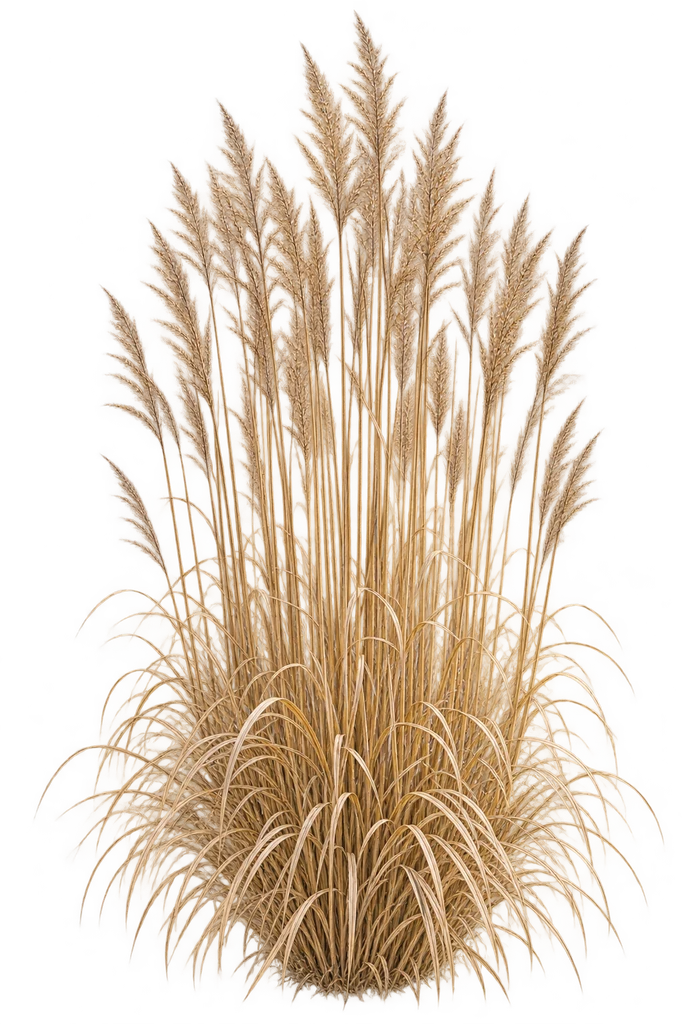
You arrive for a late October visit and the border you planted in spring has gone over. The asters are browning at the edges, the hostas have collapsed into something that smells faintly of compost, and the client is standing there holding secateurs with intent. This is the conversation to have before anything gets cut.
Leaving perennials and grasses standing through winter is one of the cheapest ways to give a garden structure from November to February. It costs nothing and saves a day of autumn work. Birds and insects get something out of it too. The difficulty is that, to some eyes, it looks exactly like neglect. So the job has two parts: choosing which plants deserve to stay up, and making the result read as a decision.
Plants worth leaving
The test is simple. Does it still hold its shape when it is wet, cold and brown? Plenty of perennials do.
- Phlomis russeliana is the reliable one. Its seedheads sit in tiers up the stems like stacked saucers and stay there until you cut them in March.
- Echinacea purpurea and Rudbeckia fulgida keep their dark cones long after the petals have dropped, and finches pick over them all winter.
- Veronicastrum virginicum holds its spires upright and turns a good dark brown.
- Hylotelephium (the plants most of us still call sedum), such as 'Herbstfreude', fade from pink to rust to a deep chocolate and stay firm.
- Most Eryngium dry into silvery thistles that look even better with frost on them.
- Flat-headed achilleas such as 'Terracotta' or 'Walther Funcke' hold their plates for months.
Among the grasses, Calamagrostis × acutiflora 'Karl Foerster' is the most upright, a column of pale straw until late winter. Most Miscanthus sinensis cultivars keep their plumes, and Panicum virgatum turns into a soft haze that catches low sun beautifully.
Plants better cut
Some plants simply don't dry well. Hostas and daylilies turn to slime. Most hardy geraniums and Alchemilla mollis have looked tired since September and are better cut back after flowering anyway. Peony foliage should come off in autumn, because leaving it gives fungal disease somewhere to overwinter.
Molinia is a special case. It colours a lovely buttery yellow in autumn, then its stems break away at the base in early winter and blow about the garden, so tidy it once it falls.
Wet, exposed gardens change the picture. In a mild, sodden western garden seedheads rot sooner, and on a windy site tall stems snap. If a plant is going to look battered by December, there is no virtue in keeping it.
Making it look intended
Design your next garden with Twigged
Start with free plant research and manual garden planning. Compare plans for AI allowances and Pro client presentation exports and sharing.
Get started